
The Real Cost of Deferred Maintenance: Why "Later" Gets Expensive

The Real Cost of Deferred Maintenance: Why “Later” Gets Expensive
Every boat owner knows the feeling. You notice something that needs attention (a small drip, a slight squeak, a fitting that looks a little corroded), but you’re busy, the weather’s perfect, and it doesn’t seem urgent. So you file it away under “I’ll deal with it later.”
The problem is that boats don’t wait for later. And on the water, small problems have a remarkable talent for becoming big, expensive ones.
After 10 years of cruising aboard Starry Horizons, I learned that deferred maintenance is one of the most expensive habits a boat owner can develop. But I also learned there’s an important nuance to when and how you tackle repairs. Let’s dig into both.
The Snowball Effect
Most catastrophic boat failures don’t start as catastrophes. They start small, as the kind of minor issue that’s easy to ignore. But left unaddressed, that small problem often damages other components, and the repair bill grows accordingly.
Consider a few common examples:
The fraying line A little chafe on a halyard or sheet is easy to dismiss. But lines fail under load, at the worst moments. Chafe is caused by the motion of the boat working lines against contact points, so it develops while you’re underway, exactly when you can least afford a failure. The time to inspect and address a chafed line is at the dock or at anchor. And don’t stop checking once you leave: our main halyard was in perfect condition before we departed on a Pacific crossing, and partway across I was up the mast dealing with chafe.

The squeaky belt That belt squeal you keep meaning to investigate? It often means a belt is slipping or a pulley bearing is failing. Keep running it, and a failed belt can leave you without a charging alternator (dead batteries) or without raw water circulation (overheated engine). What started as a $20 belt becomes a much bigger problem at the worst possible moment.
The minor corrosion A little green corrosion on an electrical connection or a bit of rust on a hose clamp seems cosmetic. But corrosion spreads. That connection can fail and leave you without a critical system, or that hose clamp can let go on a below-waterline hose, turning a cheap part into an emergency.
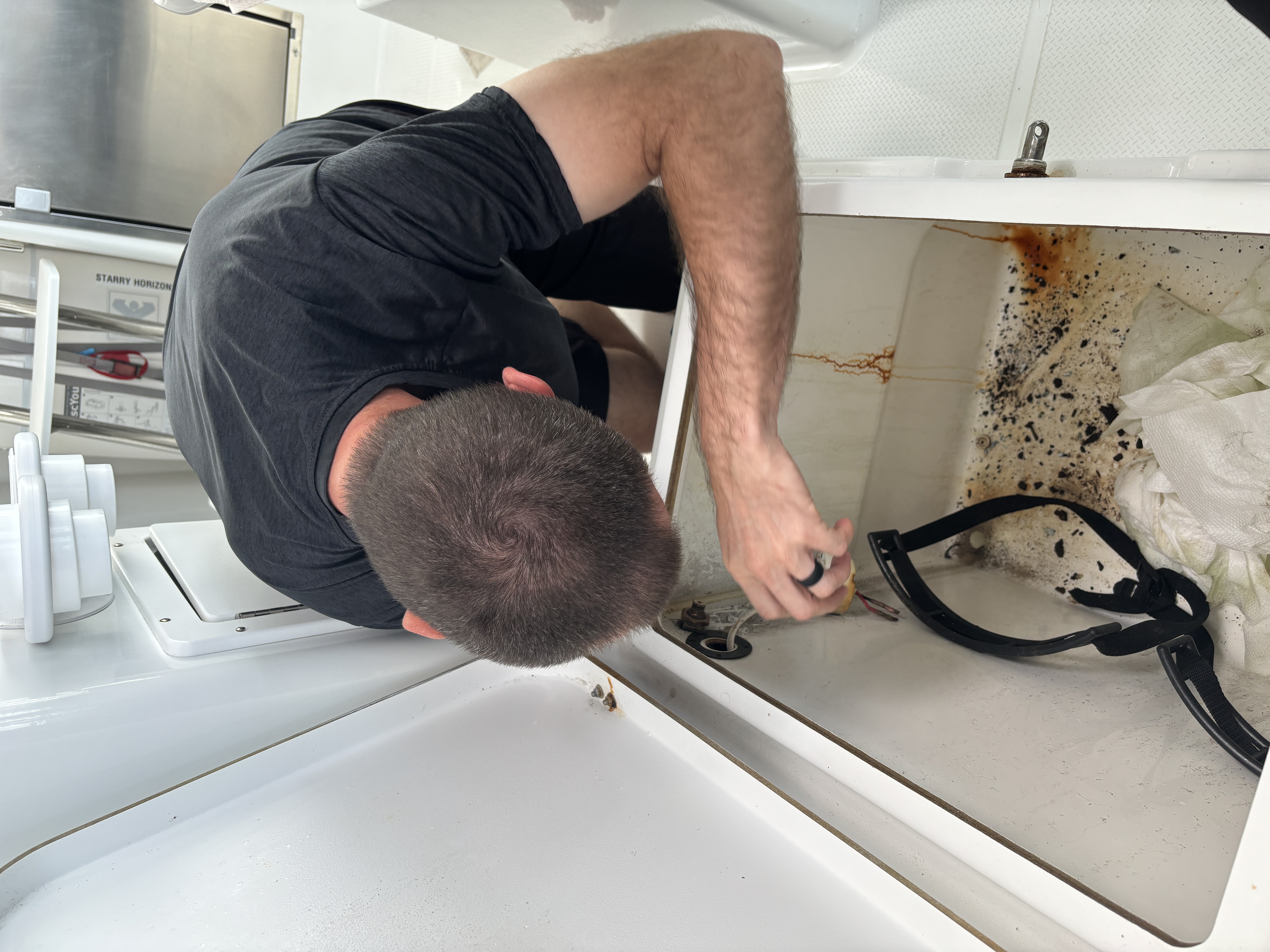
The “small” oil leak A few drops of oil in the bilge doesn’t seem worth chasing down. But oil leaks rarely fix themselves, and losing oil pressure can destroy an engine. Chasing the leak early is cheap. Rebuilding a seized engine is not.
The Important Caveat: “Could I Make This Worse?”
Now, there’s an important balance to strike here, and it’s one I learned firsthand while cruising in remote places.
Staying ahead of maintenance doesn’t mean tearing into every small issue the moment you notice it. Sometimes, attempting a “quick fix” in the wrong place or at the wrong time can turn a minor annoyance into a major problem.
One question I always asked myself before starting a repair while cruising: “Could I make this worse?”
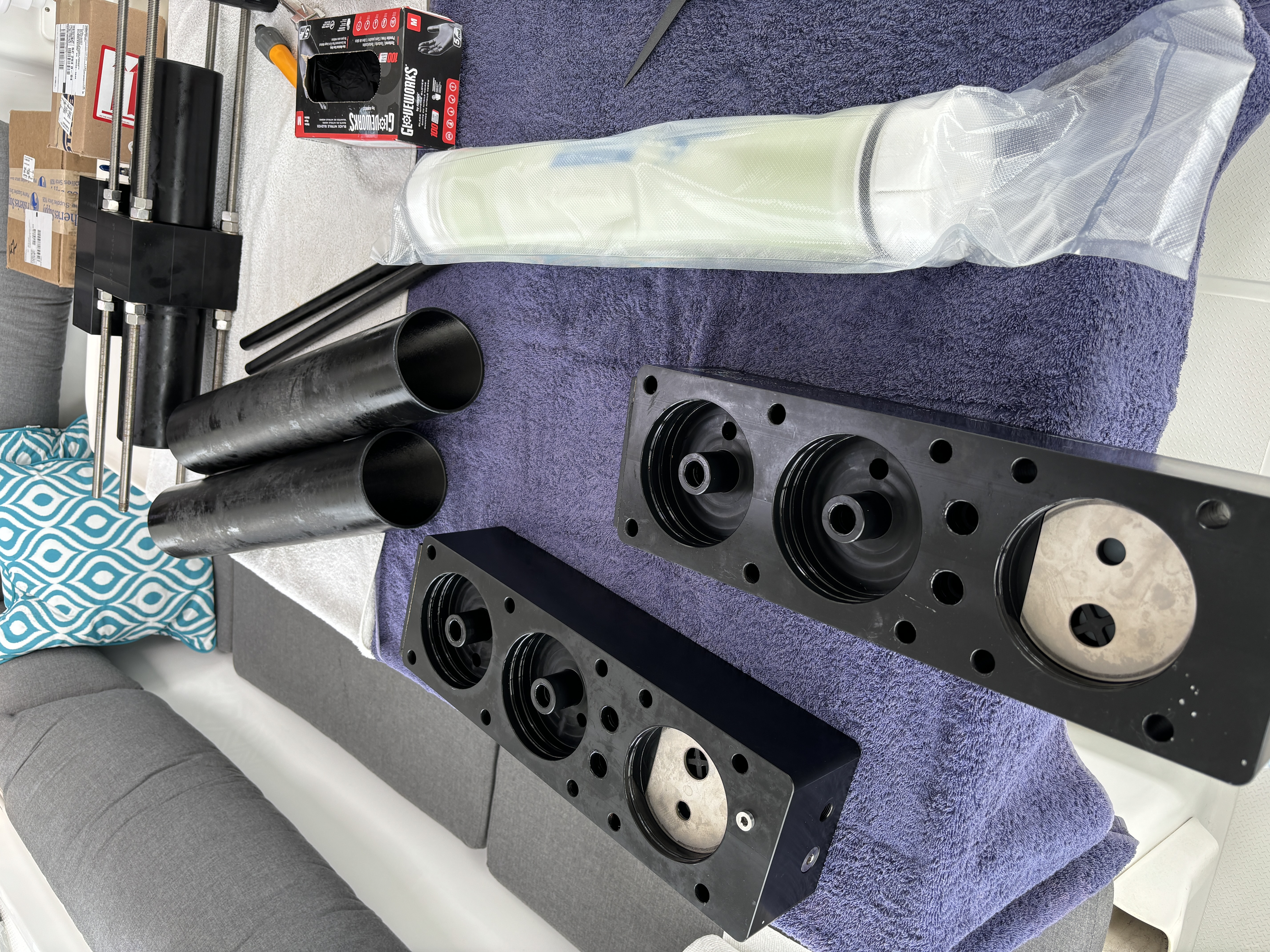
Here’s what I mean. If I started disassembling something to address a minor issue and discovered I was missing a part, or broke something in the process, I could take a critical system offline entirely. In a remote anchorage, days from the nearest chandlery, that’s a serious problem. A small drip I could monitor was far preferable to a disassembled system I couldn’t reassemble.
The key is judgment:
- Address it now if the problem is genuinely urgent, if the fix is straightforward, and if you have the parts and time to do it safely.
- Add it to the list if the problem is stable, if attempting a repair risks a bigger failure, or if you’re better off waiting until you’re somewhere with better supplies and support.
This is where good record-keeping becomes essential. Keeping a running list of items to address “when conditions are right” means you don’t forget them, but you also don’t rush into a repair that could strand you. When you reach a location with a good chandlery, reliable internet for parts, or a calm anchorage where a spiraling project won’t be dangerous, you can work through that list systematically.
Deferring maintenance out of avoidance is expensive. Deferring strategically, with a plan and a tracked list, is smart seamanship.
Why We Defer (Even When We Know Better)
Setting aside strategic deferral, most of us put off maintenance for less deliberate reasons. Understanding them helps us break the habit:
It’s not urgent… yet Small problems don’t demand attention the way a breakdown does. Without pressure, they slide down the priority list.
We’re there to enjoy the boat Nobody buys a boat to do maintenance. When conditions are perfect for a sail, spending the day on repairs feels like a waste.
Out of sight, out of mind Many systems are tucked away in engine rooms, lockers, and bilges. If we don’t see the problem regularly, we forget it exists.
We forget the details “I noticed something odd with the bilge pump a while back,” but was that last month? Last season? Without a system to track it, small issues simply get lost.
The True Cost Calculation
When we defer maintenance out of avoidance, we tend to only consider the immediate savings, the money and time we’re NOT spending right now. But the real cost calculation is more complicated:
Deferred maintenance costs:
- The original repair (which rarely gets cheaper)
- Additional damage to connected components
- Emergency repair premiums (parts and labor cost more when it’s urgent)
- Towing or assistance fees if you’re stranded
- Lost time when your boat is out of commission
- Potential safety risks to you and your crew
- Reduced resale value from a poor maintenance record
Preventive maintenance costs:
- The original repair, done on your schedule
- Peace of mind
The math almost always favors staying ahead of the problem.
A Real-World Perspective
During our circumnavigation, we met cruisers all along the spectrum, from meticulous planners to “deal with it when it breaks” types. The pattern was clear: the boats that deferred maintenance out of avoidance spent more time stuck in boatyards, waiting on emergency parts, and dealing with cascading failures.
The cruisers who stayed ahead of their maintenance, and who deferred strategically when it made sense, spent more time actually cruising. Not because they had newer or better boats, but because they addressed small issues before those issues could grow, and they timed their bigger projects wisely.
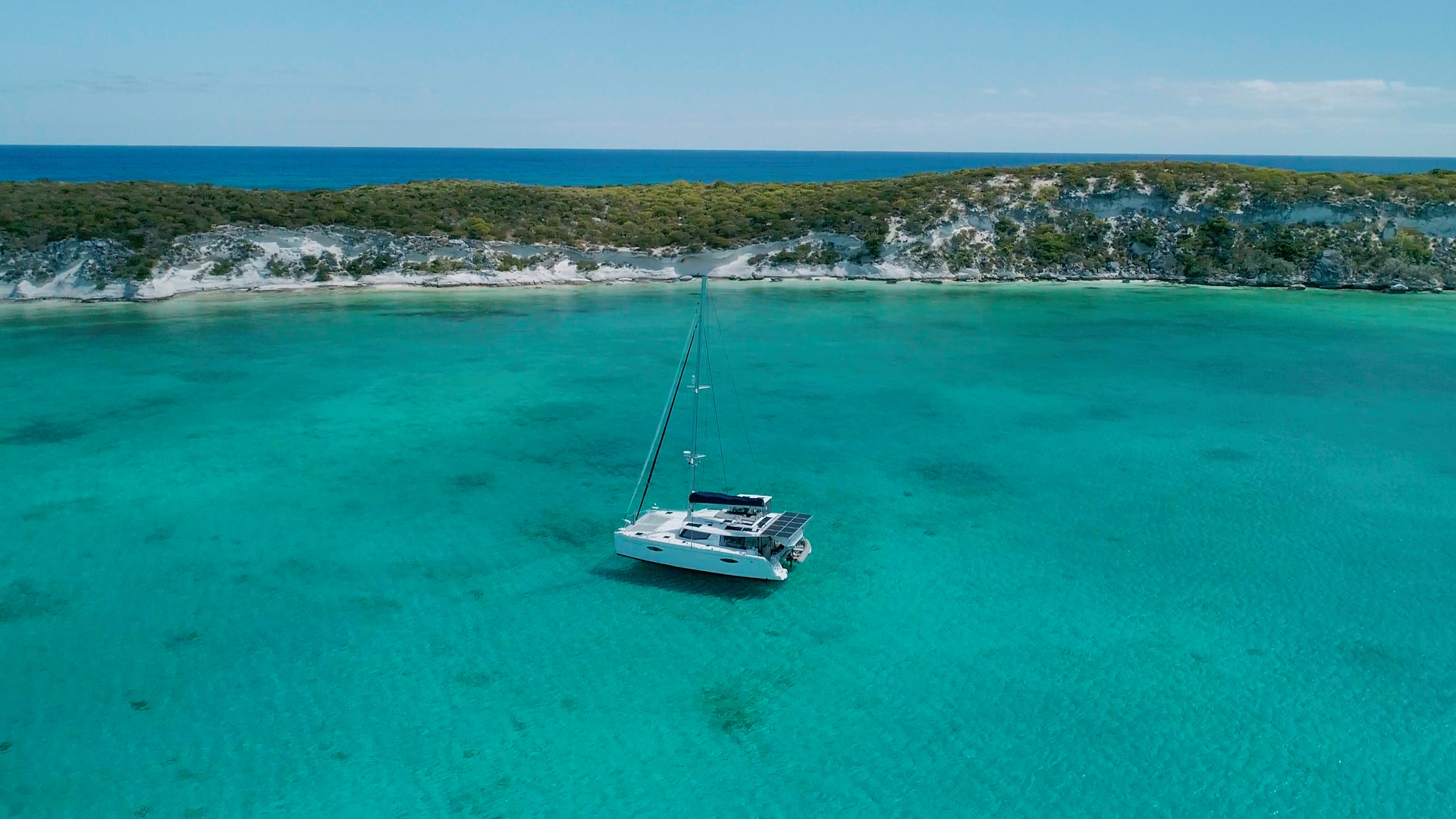
That’s ultimately what good maintenance buys you: more time doing what you love, and less time dealing with preventable problems.
How to Break the “Later” Habit
1. Write it down immediately The moment you notice something, log it. Don’t rely on memory. A noticed problem that isn’t recorded is a problem you’ll forget until it’s urgent.
2. Assess honestly Not everything needs immediate attention, but be honest about what does. Ask yourself: “What happens if this gets worse? What else could it damage? Could I make it worse by attempting a fix now?”
3. Schedule it Turn “later” into an actual date or a clear trigger (“address at next haul-out” or “when we reach a good chandlery”). Vague intentions become forgotten; scheduled tasks get done.
4. Track your maintenance history Patterns reveal themselves over time. If a system needs frequent attention, your records will show it, helping you address the root cause instead of repeatedly treating symptoms.
How MaintenanceROS Helps
This is exactly the problem MaintenanceROS was designed to solve. When you notice an issue, you can log it immediately as a task, no more relying on memory or scattered notes. You can set reminders so nothing slips through the cracks, and keep a running list of projects to tackle when conditions are right. Your complete maintenance history helps you spot the patterns that reveal bigger issues.
Instead of a mental list of “things I should get to eventually,” you have an organized system that keeps small problems from becoming expensive ones, while giving you the flexibility to time your repairs wisely.
The Bottom Line
Deferred maintenance, when it’s really just avoidance, feels like saving money and time. In reality, it’s usually borrowing against a much larger future cost, often with interest, and often at the worst possible moment.
Strategic deferral is different. With a tracked list and a plan, timing your repairs for when you have the right parts, tools, and conditions is simply good seamanship.
The next time you notice something on your boat that needs attention, resist the urge to vaguely file it under “later.” Log it, assess it, and make a real plan for addressing it. Your future self, and your wallet, will thank you.
Ready to stop letting maintenance slip through the cracks?
Start your free 30-day trial and turn “I’ll deal with it later” into an organized system that keeps you ahead of problems.